









CometVPN Blog
If you want to stay safe, choose an anonymous VPN with a reliable no-logs policy that doesn’t store your data logs. These VPN providers often have the tools and reputation that allow you to reach a high level of anonymity.
6 min read
 Rasa Sosnovskytė
Choose Category

7 min read
What Is Bridge Mode? Router & Modem Explained Simply
To avoid double Network Address Translation (NAT) issues, you'll have to enable bridge mode on your secondary router. It disables routing capabilities, so a more powerful primary device can handle network management. Figuring out bridge mode is an essential step for taking back control of your network traffic.

Guoda Šulcaitė
6 min read
Best DNS Servers for Gaming in 2026 (Ranked & Tested)
Discover the top 5 DNS servers for gaming in 2026 that can enhance your connection speed and reduce lag.
Guoda Šulcaitė
4 min read
What is OpenVPN: A Comprehensive Guide to Its Functions and Benefits
Key takeaways:
On the internet, risks could be lurking behind any step you take, from hackers who want to steal your data to surveillance that follows everything you do. This is why using a virtual private network (VPN) is more important than ever.
If you wouldn’t leave your house without locking the door, you also shouldn’t take your devices’ security for granted. But how do you choose the right virtual private network for you, as there are so many options out there?
OpenVPN is an open-source VPN protocol that provides you with secure and flexible internet access. On top of that, the OpenVPN protocol is one of the most reliable options for creating a secure tunnel between your device and the internet.
If you want to take full control of your online privacy and leverage safe VPN connections, it’s imperative that you understand OpenVPN and how it works. In this article, we will cover everything you need to know.

Adomas Šulcas
4 min read
DNS (Smart DNS) vs VPN: Key Differences and Benefits Explained
More than one tool can be fit to achieve the same task. Usually, it's best to choose the most universal one, but the simplicity of the alternative might be tempting. Such is the choice between a smart DNS and a VPN service.
Smart DNS is more of a quality-of-life improvement, allowing you to bypass the most basic blocks. A VPN server, on the other hand, is a full-fledged security and privacy solution for everything you do online.
Granted, smart DNS services still have their applications, and you might be tempted to use both. To learn how to wield is to understand their differences and benefits, which is exactly what this article will explain.
Adomas Šulcas
5 min read
What Is a Residential IP Address? Explained Simply
Key takeaways:
The best online privacy measures allow you to blend in with the crowd. Residential IP addresses are some of the best options for achieving exactly that. The legitimacy of residential Internet Service Providers (ISPs), paired with superior location targeting, makes residential IPs some of the best privacy and security tools.
Residential proxies have long been the main source for purchasing residential IP addresses, but VPNs often provide a more user-friendly experience. As with most products, it's important to understand what is residential IP address before settling for one.
Guoda Šulcaitė
8 min read
How to Find a Device Name by MAC Address: Tools and Tips
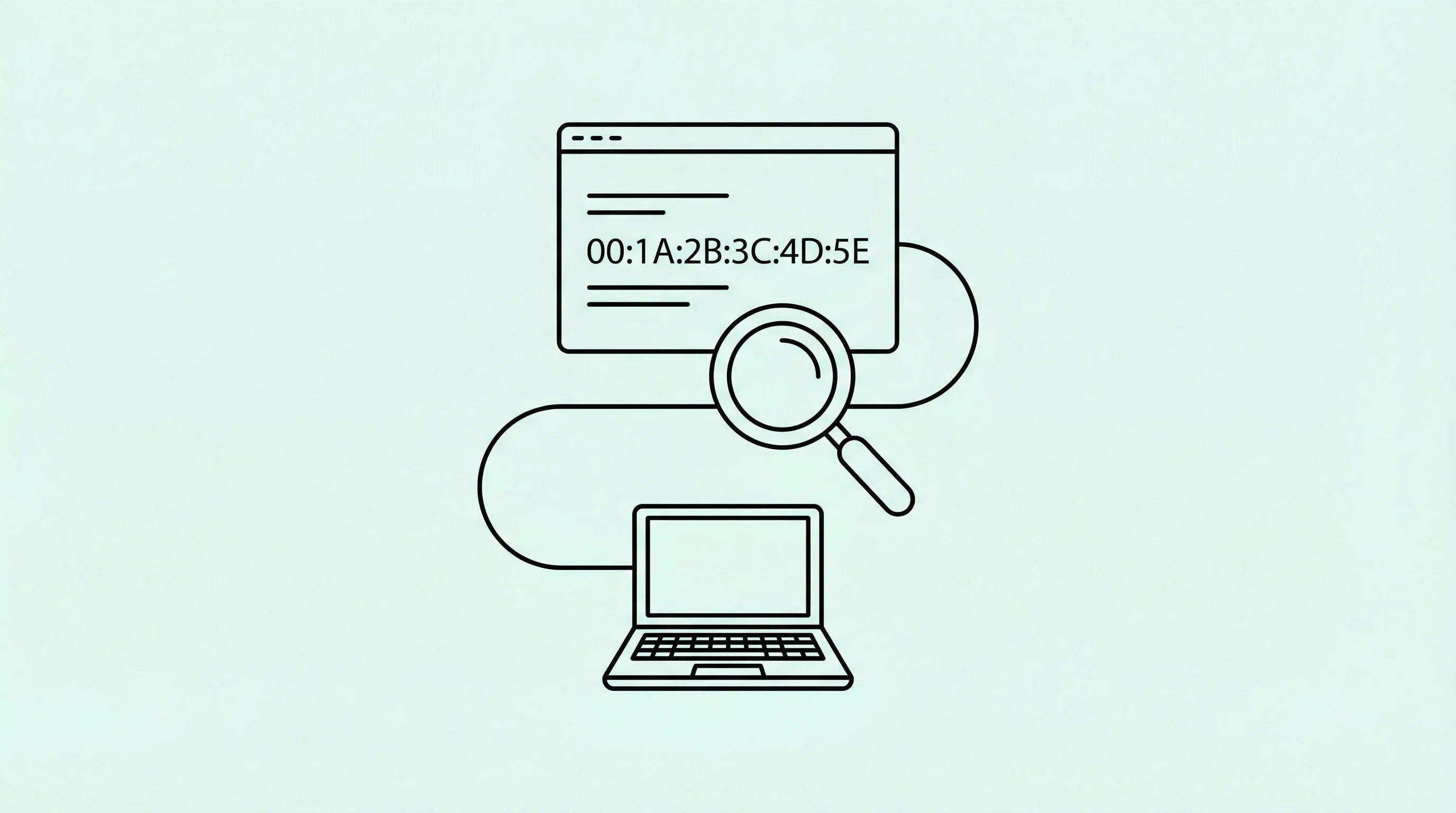
You don't need to be a systems administrator to look after your home network. Many issues can be resolved by understanding a couple of concepts and using the right tools. Media Access Control address, or simply MAC address, is one of the most important.
Each device has its own MAC address, a 12-digit hexadecimal number assigned as a unique identifier. Finding the device's MAC address is useful for various cybersecurity and troubleshooting purposes.
You can identify the device - its maker and sometimes model, without having the device on hand or knowing its IP address. It's also useful for discovering unknown or unauthorized devices on your network. Whatever your reason, we'll help you find device name by MAC address in your network.
Adomas Šulcas