









The Problem With Utah's VPN Ban
Utah just became the first US state to explicitly target VPN use in its law. And while the goal — keeping minors away from harmful content — is one we fully support, the way this law is written creates a problem that goes far beyond Utah. It affects every person who uses a VPN for legitimate reasons.
Here's what's happening, why it matters to you, and where we stand.

Laura Valskytė
3 min read
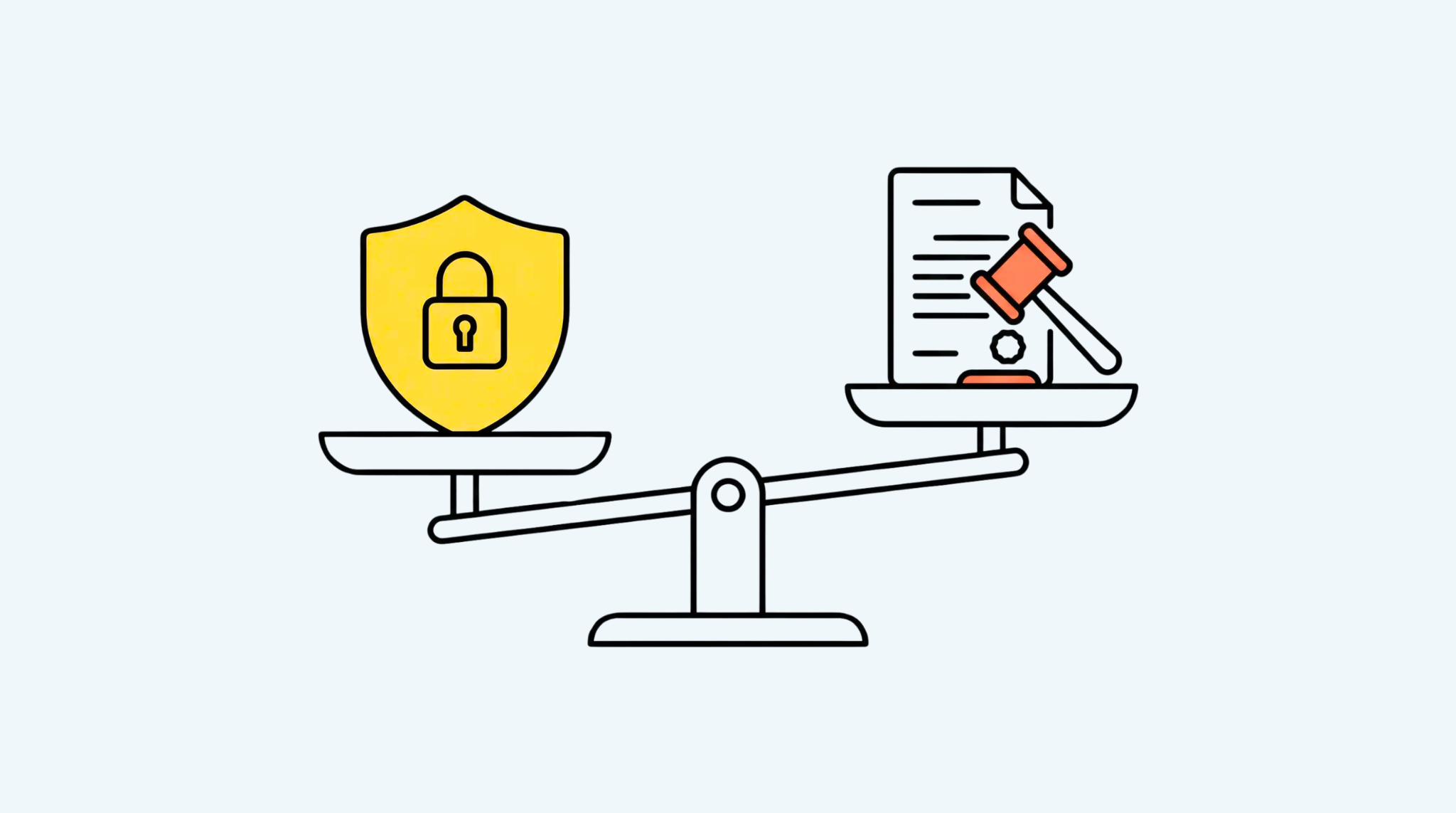
What the law actually says
Utah's Senate Bill 73 went into effect on May 6, 2026. It requires websites hosting content harmful to minors to verify the age of any user physically located in Utah — even if that user is connected through a VPN.
In other words: if you're in Utah, a VPN doesn't change your legal status. The website is still responsible for verifying your age.
The law also prohibits those websites from telling users how to use a VPN to get around age checks.
On paper, that sounds straightforward. In practice, it creates a technical problem that no website can actually solve.
Why it doesn't work technically
A VPN is specifically built to make your location private. That's the point. If a website sees traffic arriving from a server in Amsterdam or New York, there is no reliable way for that website to know the person behind that connection is sitting in Salt Lake City.
The only realistic options left to websites are:
- Ban all known VPN IP addresses entirely — affecting millions of legitimate users globally
- Require age verification from every single visitor worldwide, regardless of where they actually live
Neither option is clean. Neither option is fair. And neither option will stop a determined teenager from setting up a personal VPN in about ten minutes using a cloud server — something no blocklist in the world can catch.
The law holds websites responsible for identifying users who are using tools specifically designed to be unidentifiable. That's not a compliance challenge. That's an unresolvable contradiction.
Who actually gets caught in the middle
This is where it gets important.
The people most affected by VPN restrictions are not the ones lawmakers are trying to stop. They are:
- Journalists protecting their sources
- People working remotely who need secure connections
- Travelers accessing their home services abroad
- Anyone using public Wi-Fi who doesn't want their browsing tracked by ad networks and data brokers
The person determined to bypass an age check will find another way. They always do. The person who loses out is the one who relied on a VPN for everyday, legitimate privacy.
Where we stand
We believe protecting children online is important. That's not up for debate.
But we also believe that privacy is a right — not a loophole. A VPN is not a tool for doing something wrong. It is a tool for keeping your data yours. And laws that treat it as suspicious infrastructure, without a technically workable enforcement path, don't make anyone safer. They just make the internet less private for everyone.
Utah is not alone in this direction. The UK has debated restricting VPN access for under-18s. France has signaled it wants to address VPNs next. Wisconsin tried a similar approach earlier this year before backing down due to backlash.
The conversation about how to protect minors online is one worth having. But the answer cannot be to dismantle the tools that protect everyone else in the process.
What this means for you
If you use CometVPN, nothing changes on our end. We will always give you a private, secure connection — because that is what you deserve.
If you are in Utah or travel there, your VPN still works. The law targets websites, not users. Using a VPN remains legal.
What changes is the broader direction of regulation. And that's a conversation CometVPN will always be part of.
Frequently Asked Questions
Does Utah's law actually ban VPNs?
No. The law does not ban VPN use outright. It places liability on websites to verify the age of Utah-based users even when they are using a VPN, and it prohibits those websites from providing instructions on how to use a VPN to bypass age checks. Using a VPN remains legal.
Does this law affect me if I don't live in Utah?
Potentially yes. If websites respond by banning all known VPN IP addresses or requiring age verification from every visitor globally, users outside Utah could also be affected. The law's impact extends well beyond state borders.
Will my CometVPN still work under this law?
Yes. The law targets websites, not VPN providers or users. CometVPN continues to provide you with a private, secure connection as normal.
Why can't websites just detect and block Utah VPN users?
Because VPNs are specifically designed to make location private. There is no reliable technical method for a website to determine that a user connecting through a VPN server in another state is physically located in Utah. This is why critics have called the law an unresolvable contradiction.
Is this happening in other states or countries?
Yes. The UK has debated restricting VPN access for under-18s, France has signaled interest in regulating VPNs, and Wisconsin considered similar provisions before backing down. Utah is the first to pass legislation that explicitly targets VPN use, but it is unlikely to be the last.
Final Thoughts
Utah's law is well-intentioned. Protecting children online is a goal worth pursuing. But good intentions don't make bad legislation work.
By targeting VPNs instead of addressing the root problem, this law puts the burden on the wrong people. The tech-savvy teenager finds another way. The journalist, the remote worker, the abuse survivor — they're the ones left exposed.
Privacy tools exist because privacy matters. Any regulation that treats those tools as the enemy, without a workable path to enforcement, doesn't make the internet safer. It just makes it less free.
Author
Laura Valskytė
Digital Marketing Specialist at CometVPN
Laura is a digital marketing specialist with a passion for online privacy and cybersecurity. At CometVPN, she focuses on content strategy, SEO, and helping users understand the tools that keep them safe online.
Related articles

4 min read
Ethernet vs Wi-Fi: Which One is Better?
Ethernet and Wi-Fi are the two main ways to connect your computer to the internet. While Wi-Fi has received significantly more attention in recent years, especially among consumers, due to its simplicity and flexibility, ethernet is still widely used in various other applications.
Even if Wi-Fi is significantly more popular, it isn’t strictly better. Both methods have their benefits and drawbacks. Wi-Fi’s popularity comes from its ease-of-use and flexibility, but an ethernet connection can be much more useful in certain scenarios.

Adomas Šulcas

5 min read
How to Change Chrome Proxy Settings: The Ultimate Guide
A proxy server is an easy alternative to a VPN that can perform most of the functions of the latter. It’s a server that stands between your device and the destination server, taking your connection requests and forwarding them in your name.
Destination servers in almost all cases see the proxy server as the originator of the request. As such, proxies are widely used in various, mostly business-related applications whenever privacy, security, location changing, and several other factors are at play.

Guoda Šulcaitė