









CometVPN Blog
If you want to stay safe, choose an anonymous VPN with a reliable no-logs policy that doesn’t store your data logs. These VPN providers often have the tools and reputation that allow you to reach a high level of anonymity.
6 min read
 Rasa Sosnovskytė
Choose Category
4 min read
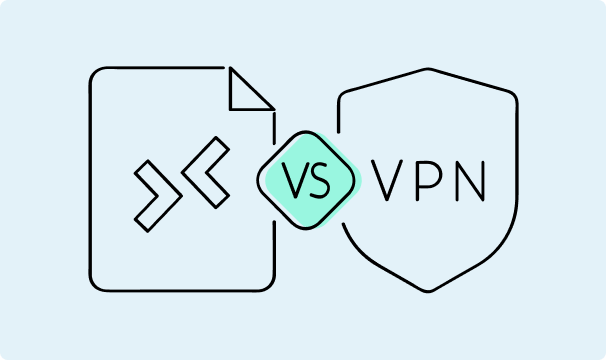
RDP vs VPN: Understanding the Key Differences
Both VPN (virtual private network) and RDP (remote desktop protocol) are remote access technologies. You use an internet connection to access a computer that’s in a different location than yours and get the benefits as if you were using that computer.
There’s one key difference between a virtual private network and a remote desktop protocol – the level of control you get. A VPN server only provides you with internet traffic routing, encryption, and some other benefits. You continue using your machine for everything else.
Remote desktop protocol gives you access to the machine itself. You may get different levels of permissions (ranging from limited access to full administrative privileges), but in all cases you’ll get to control the machine itself to some extent.
Rasa Sosnovskytė

4 min read
How to Go Incognito on Any Browser (Step-by-Step)
Key takeaways:
Everyone has tried to secretly shop for a birthday gift online or look up some weird thing that shouldn’t remain on anyone’s browsing history. To do that without leaving a trail, you probably decided to go Incognito. If not, we’ll explain to you why you should.
Here you will learn how to open a new Incognito window on all major browsers. We’ll show you the exact steps to take, explain that Incognito mode really does, and give you some tips for better privacy.

Guoda Šulcaitė
7 min read
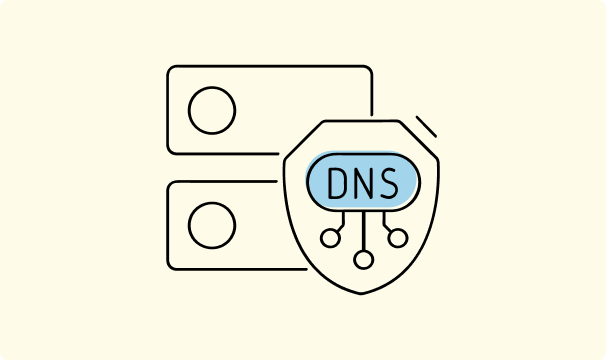
Private DNS: The Complete Guide to Secure Browsing
Computers talk with each other in numbers and humans in words. That's a simplification, of course, but it gives us a good idea of what DNS servers do — translate words of domain names (cometvpn.com) into numbers of IP addresses (172.67.201.66).
A DNS server can be a privacy hazard as it has to be informed about every website you visit. A private DNS solves this problem by allowing you to use a DNS provider of your choice, possibly with encryption. We explain what private DNS is and how to set it up below.
Rasa Sosnovskytė